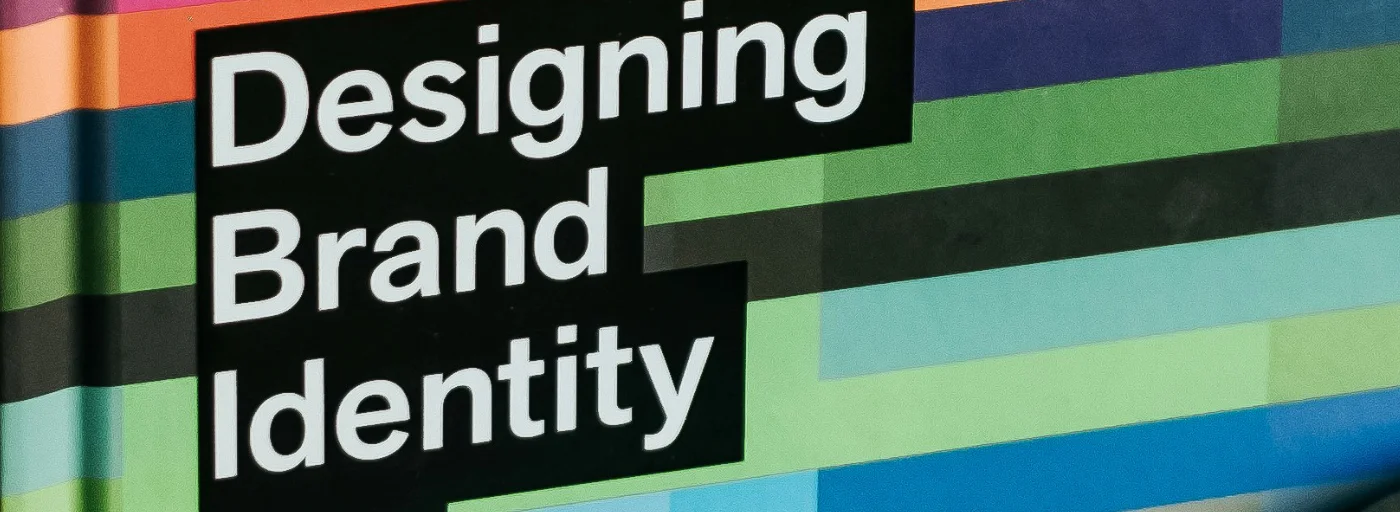
The positive use of colour psychology in branding and marketing cannot be underestimated.
When people think about branding, they often focus on logos, fonts, and layouts. But one of the most powerful, and most overlooked, elements of brand identity is the use of colour.
Colour influences how people feel about your business before they read a single word. It shapes perception, triggers emotion, and subtly guides decision-making. In many cases, it can be the difference between someone trusting your brand or scrolling past it.
Today, attention spans are shorter and competition is higher than ever, understanding colour psychology is no longer optional, it’s a strategic advantage.
Here’s how colour impacts branding and marketing, and why choosing the right palette matters more than most businesses realise.
Colour Creates Instant Emotional Response
People don’t process colour logically, they react to it emotionally.
Within seconds of seeing a brand, users form subconscious judgments based on colour alone. These impressions can include:
- Trustworthiness
- Energy and excitement
- Luxury and premium quality
- Calmness and stability
- Creativity and innovation
This happens before they even read your name or message.
That means your colour choices are effectively doing silent marketing work in the background of every interaction.
Different Colours Communicate Different Meanings
While interpretations can vary slightly depending on context and culture, certain colours tend to evoke consistent psychological associations:
- Blue – Trust, professionalism, stability
- Red – Energy, urgency, passion
- Green – Growth, health, sustainability
- Black – Luxury, sophistication, authority
- Yellow – Optimism, friendliness, attention
- Purple – Creativity, premium quality, imagination
- Orange – Enthusiasm, confidence, action
The key is not choosing a “nice” colour, it’s choosing a colour that supports what your business stands for.
If your colour palette sends the wrong emotional signal, it can create confusion or mistrust.
Colour Impacts Brand Recognition
Strong branding isn’t just about looking good, it’s about being instantly recognisable.
Think about major brands. You don’t even need to see the logo to identify them. Colour alone is often enough.
This is because consistent colour usage helps build:
- Visual memory
- Brand familiarity
- Emotional association
- Recognition across platforms
When your brand consistently uses the same colours across your website, social media, packaging, and marketing materials, you increase the chances of being remembered.
In competitive markets, recognition is a major advantage.
Colour Influences Purchasing Decisions
Colour doesn’t just affect perception, it also affects behaviour.
Research in marketing psychology shows that colour can influence:
- Click-through rates
- Conversion rates
- Time spent on a page
- Perceived product value
- Buying confidence
For example, a well-placed contrasting call-to-action button can significantly increase engagement simply because it stands out visually.
Similarly, a poorly chosen colour palette can make a website feel untrustworthy or difficult to navigate, even if the content is strong.
In short, colour can either support or undermine your sales process.
Consistency Builds Trust
One of the most common mistakes in small business branding is inconsistent colour usage.
This might look like:
- Different shades of the same colour across platforms
- Random accent colours used in marketing materials
- Website colours not matching social media branding
- No defined brand palette at all
Inconsistency creates visual confusion. And confusion reduces trust.
A professional brand should have a clearly defined colour system that is used consistently everywhere.
This consistency makes your business feel more stable, credible, and established.
Colour Helps Position Your Brand in the Market
Colour is also a powerful positioning tool.
It can help communicate whether your brand is:
- Premium or budget-friendly
- Modern or traditional
- Creative or corporate
- Friendly or authoritative
For example:
- A minimalist black-and-white palette often signals luxury or high-end positioning
- Bright, saturated colours may suggest creativity or youth-focused branding
- Muted, natural tones often communicate sustainability or wellness
If your colour choices don’t align with your market position, you risk sending mixed signals to potential customers.
Website Colour Design Directly Affects UX
Colour isn’t just about branding, it plays a major role in user experience.
On websites, colour helps:
- Guide attention to key areas
- Highlight calls-to-action
- Improve readability and contrast
- Create visual hierarchy
- Reduce cognitive load
A well-designed colour system makes a website easier to use and understand.
A poorly designed one creates friction, distraction, and confusion, leading to lost conversions.
Good UX design and colour strategy are deeply connected.
The Risk of Choosing Colours Without Strategy
Many small businesses choose colours based on personal preference rather than strategy.
While personal taste is understandable, it often leads to branding decisions that don’t support business goals.
Common issues include:
- Colours that don’t match the industry
- Palettes that lack contrast or readability
- Overly trendy colours that age quickly
- Too many colours competing for attention
- No clear primary or secondary colour structure
These mistakes can make a brand look unprofessional or inconsistent, even if the product or service is excellent.
A Strategic Approach to Colour Selection
Effective branding uses colour intentionally, not randomly.
A strong approach includes:
- Defining a primary brand colour
- Selecting supporting secondary colours
- Choosing neutral tones for balance
- Ensuring accessibility and readability
- Testing across digital and print formats
The goal is not just aesthetic appeal, it’s functional communication.
Every colour should have a purpose.
Conclusion
Colour psychology plays a far greater role in branding and marketing than most businesses realise. It shapes first impressions, influences behaviour, builds recognition, and supports or undermines trust.
In a competitive digital landscape, where users make decisions in seconds, your colour choices are working for or against you long before any sales message is read.
Strong branding doesn’t happen by accident. It is the result of deliberate design decisions that align visual identity with business goals.
When colour is used strategically, it becomes more than decoration. It becomes a powerful tool for influence, clarity, and conversion which is why working with an experienced web designer in Brighton is crucial for your digital marketing strategy.
If you would like to know more about the power of colour, take a look at the brilliant book Interaction of Color by Josef Albers.